
Introduction
Have you ever wondered what keeps our buildings, HVAC systems, and electrical installations securely in place? The unsung hero behind many of these structures is none other than 28 Gauge Galvanized perforated strapping. This versatile and robust material plays a crucial role in various industrial applications, offering a perfect blend of strength, flexibility, and corrosion resistance.
In this comprehensive guide, we’ll dive deep into the world of 28 Gauge Galvanized perforated strapping, exploring its characteristics, applications, and the myriad benefits it brings to the table. Whether you’re a seasoned contractor, a DIY enthusiast, or simply curious about the building blocks of modern construction, this article will provide you with valuable insights into this indispensable material.
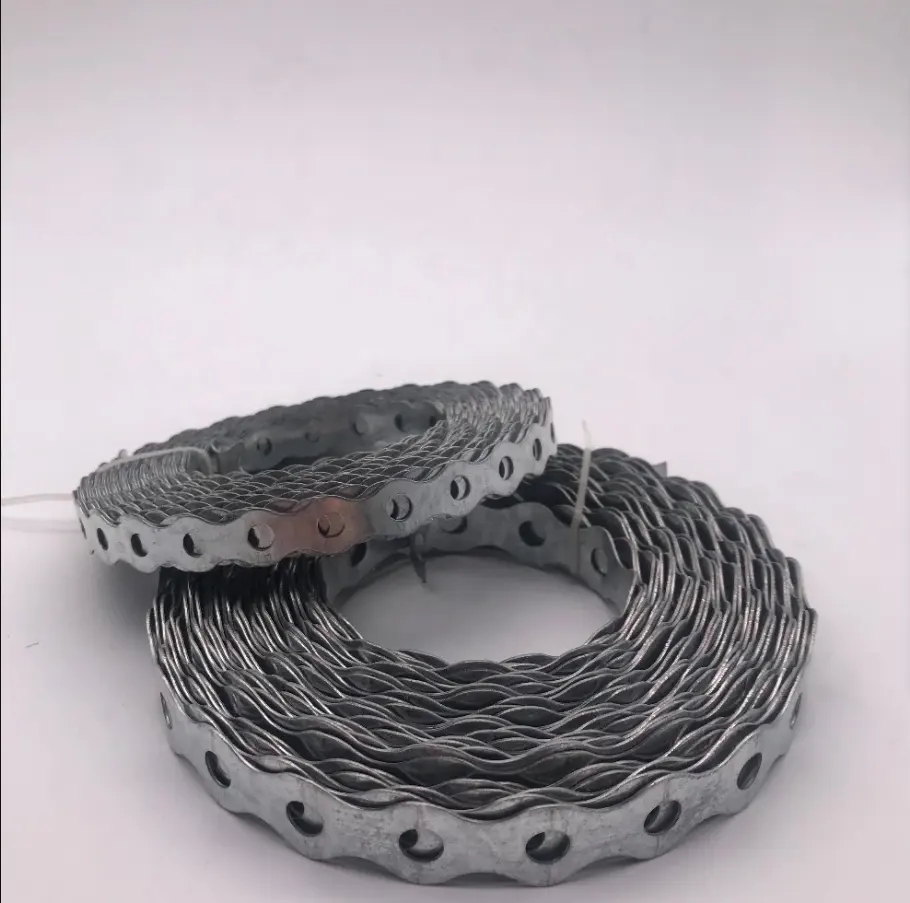
What is 28 Gauge Galvanized Perforated Strapping?
Before we delve into the nitty-gritty, let’s start with the basics. What exactly is 28 Gauge Galvanized perforated strapping? Simply put, it’s a thin, flexible metal strip with regularly spaced holes along its length. But there’s more to it than meets the eye.
The Anatomy of 28 Gauge Galvanized Perforated Strapping
28 Gauge Galvanized perforated strapping is typically made from high-quality steel, which is then coated with a layer of zinc through a process called galvanization. This galvanized coating is the secret sauce that gives the strapping its superpower: corrosion resistance.
The “28 gauge” in its name refers to the thickness of the metal. In the world of metal thickness, the higher the gauge number, the thinner the metal. So, 28 gauge strapping is relatively thin, making it lightweight and easy to work with, yet still strong enough for many applications.
The Perforation Puzzle
Now, let’s talk about those holes. The perforations in 28 Gauge Galvanized perforated strapping aren’t just there for show. These carefully designed holes serve multiple purposes:
- They allow for easy fastening with screws, nails, or rivets.
- They reduce the overall weight of the strapping without compromising strength.
- They provide flexibility, allowing the strapping to be bent and shaped as needed.
The pattern and size of these perforations can vary, which brings us to our next section.
Types of 28 Gauge Galvanized Perforated Strapping
Not all 28 Gauge Galvanized perforated strapping is created equal. Depending on your specific needs, you’ll find a variety of options available in the market.
Width Wonders
The width of 28 Gauge Galvanized perforated strapping can vary significantly. Common widths include:
- 1/2 inch
- 3/4 inch
- 1 inch
- 1 1/4 inch
The choice of width depends on the application and the load-bearing requirements of your project.
Hole Pattern Variations
The perforation pattern is another factor that sets different types of 28 Gauge Galvanized perforated strapping apart. You’ll typically encounter two main types:
- Standard Perforation: These have regularly spaced, uniform holes along the length of the strapping.
- Custom Perforation: Some manufacturers offer custom perforation patterns to meet specific project requirements.
Length and Thickness Options
While we’re focusing on 28 gauge thickness in this article, it’s worth noting that perforated strapping is available in various gauges to suit different strength requirements. As for length, you can usually find 28 Gauge Galvanized perforated strapping in rolls of different lengths, typically ranging from 10 feet to 100 feet or more.
Applications of 28 Gauge Galvanized Perforated Strapping
Now that we understand what 28 Gauge Galvanized perforated strapping is and its various types, let’s explore where this versatile material finds its use.
Building a Strong Foundation in Construction
In the construction industry, 28 Gauge Galvanized perforated strapping is a go-to solution for various applications:
- Framing Support: It’s used to reinforce wall framing and provide additional structural support.
- Roof Truss Bracing: The strapping helps stabilize roof trusses, ensuring they maintain their shape and position.
- Seismic Reinforcement: In earthquake-prone areas, this strapping is used to create tie-downs that help buildings withstand seismic activity.
Keeping It Cool with HVAC Applications
HVAC systems rely heavily on 28 Gauge Galvanized perforated strapping:
- Ductwork Support: The strapping is used to hang and support ductwork, ensuring proper alignment and preventing sagging.
- Pipe Insulation: It’s used to secure insulation around pipes, maintaining energy efficiency.
Wiring the World: Electrical Installations
In the realm of electrical work, 28 Gauge Galvanized perforated strapping plays a crucial role:
- Cable Management: The strapping is used to bundle and route cables neatly.
- Conduit Support: It provides support for electrical conduits, keeping them securely in place.
Advantages of Using 28 Gauge Galvanized Perforated Strapping
Why has 28 Gauge Galvanized perforated strapping become such a popular choice across various industries? Let’s break down its key advantages:
Rust Never Sleeps, But Galvanization Does
One of the standout features of 28 Gauge Galvanized perforated strapping is its exceptional corrosion resistance. The galvanized coating acts as a sacrificial layer, protecting the underlying steel from rust and corrosion. This means your installations remain secure and structurally sound for longer, even in challenging environmental conditions.
Strength in Simplicity
Don’t let its thin profile fool you. 28 Gauge Galvanized perforated strapping packs a punch when it comes to strength. Its unique design allows it to distribute loads evenly, providing robust support for a wide range of applications.
Flex Appeal: Flexibility Meets Functionality
The perforated design of 28 Gauge Galvanized strapping gives it a level of flexibility that solid straps can’t match. This flexibility allows for:
- Easy bending and shaping to fit various contours
- Absorption of vibrations and minor movements, reducing stress on fasteners
- Simple cutting to desired lengths without specialized tools
Factors to Consider When Choosing 28 Gauge Galvanized Perforated Strapping
Selecting the right 28 Gauge Galvanized perforated strapping for your project involves considering several factors:
Environmental Exposure: Know Your Elements
Consider the environment where the strapping will be used. While the galvanized coating provides excellent corrosion resistance, extremely corrosive environments may require additional protective measures or alternative materials.
Weight of Responsibility: Load-Bearing Requirements
Assess the weight that the strapping needs to support. While 28 gauge is suitable for many applications, heavier loads may require thicker gauge strapping.
Playing Well with Others: Material Compatibility
Ensure that 28 Gauge Galvanized perforated strapping is compatible with other materials in your project. For example, when used with certain metals in the presence of moisture, galvanic corrosion can occur.
Installation Techniques and Best Practices
Proper installation is key to getting the most out of your 28 Gauge Galvanized perforated strapping. Here’s a step-by-step guide to ensure you’re on the right track:
- Measure Twice, Cut Once: Determine the required length and cut the strapping accordingly.
- Secure the Ends: Start by securing one end of the strapping with appropriate fasteners.
- Maintain Tension: As you work along the length, keep the strapping taut to prevent sagging.
- Use Appropriate Fasteners: Choose fasteners that are compatible with both the strapping and the surface you’re attaching it to.
- Mind the Overlap: When joining pieces of strapping, ensure sufficient overlap for strength.
Safety First: Handling 28 Gauge Galvanized Perforated Strapping
While working with 28 Gauge Galvanized perforated strapping, keep these safety tips in mind:
- Wear gloves to protect your hands from sharp edges.
- Use safety glasses when cutting the strapping to prevent eye injuries from metal shavings.
- Be cautious of the spring-back effect when uncoiling the strapping from a roll.
Maintenance and Longevity
To ensure your 28 Gauge Galvanized perforated strapping continues to perform optimally, consider these maintenance tips:
Regular Inspections: The Ounce of Prevention
Conduct visual inspections of installed strapping periodically. Look for signs of:
- Corrosion or rust
- Loose fasteners
- Deformation or damage
Cleaning and Care
In dusty or dirty environments, occasional cleaning can help maintain the strapping’s integrity:
- Use a mild detergent solution and a soft brush to remove dirt and debris.
- Rinse thoroughly and allow to dry completely.
Addressing Issues Promptly
If you notice any problems during inspections, address them immediately. This might involve:
- Tightening loose fasteners
- Replacing damaged sections of strapping
- Applying additional protective coatings in highly corrosive environments
Conclusion
28 Gauge Galvanized perforated strapping might not be the most glamorous building material, but its importance in construction, HVAC, and electrical applications cannot be overstated. Its unique combination of strength, flexibility, and corrosion resistance makes it an indispensable tool in the modern builder’s arsenal.
From supporting ductwork in complex HVAC systems to reinforcing structures in earthquake-prone areas, 28 Gauge Galvanized perforated strapping quietly does its job, ensuring our built environment remains safe, stable, and efficient.
As with any building material, the key to success lies in choosing the right type of strapping for your specific needs and ensuring proper installation and maintenance. By following the guidelines outlined in this article, you’ll be well-equipped to make informed decisions about using 28 Gauge Galvanized perforated strapping in your projects.
Remember, when in doubt, don’t hesitate to consult with manufacturers or suppliers. They can provide valuable insights and recommendations based on your specific requirements. With the right knowledge and application, 28 Gauge Galvanized perforated strapping will continue to play its crucial role in shaping the world around us, one perforation at a time.

Metal Hanger Straps: Sizes, Materials, Uses and Buyer Checks
Metal hanger strap looks simple: a roll of punched metal that can be cut to length and fixed with screws or bolts. In practice, small differences in thickness, width, hole pattern and finish can change how the product cuts, bends and fastens on site. This guide is...

Perforated Hanger Strap for Pipe Support: Selection, Installation and Limits
Last updated: September 11, 2026 Perforated hanger strap is a flexible metal strip with repeated holes that may be used to position or support certain pipes where the product, fasteners, supporting structure and local requirements permit. It should not be...

How German Distributors Specify Lochband: A Practical Sourcing Guide
A request for “17 mm galvanized Lochband” may appear clear, but it still leaves several important questions unanswered. What is the actual thickness? How large are the holes? Is the strip made from pre-galvanized steel, or is it galvanized after punching? Is the roll...

Justin Wong
Hi, I’m Justin, the technical engineer of Jiangmen Masters. We’ve been running a factory in China that makes metal hanger strap for 16 years now, and the purpose of this article is to share the knowledge related to metal hanger strap from a Chinese supplier’s perspective.